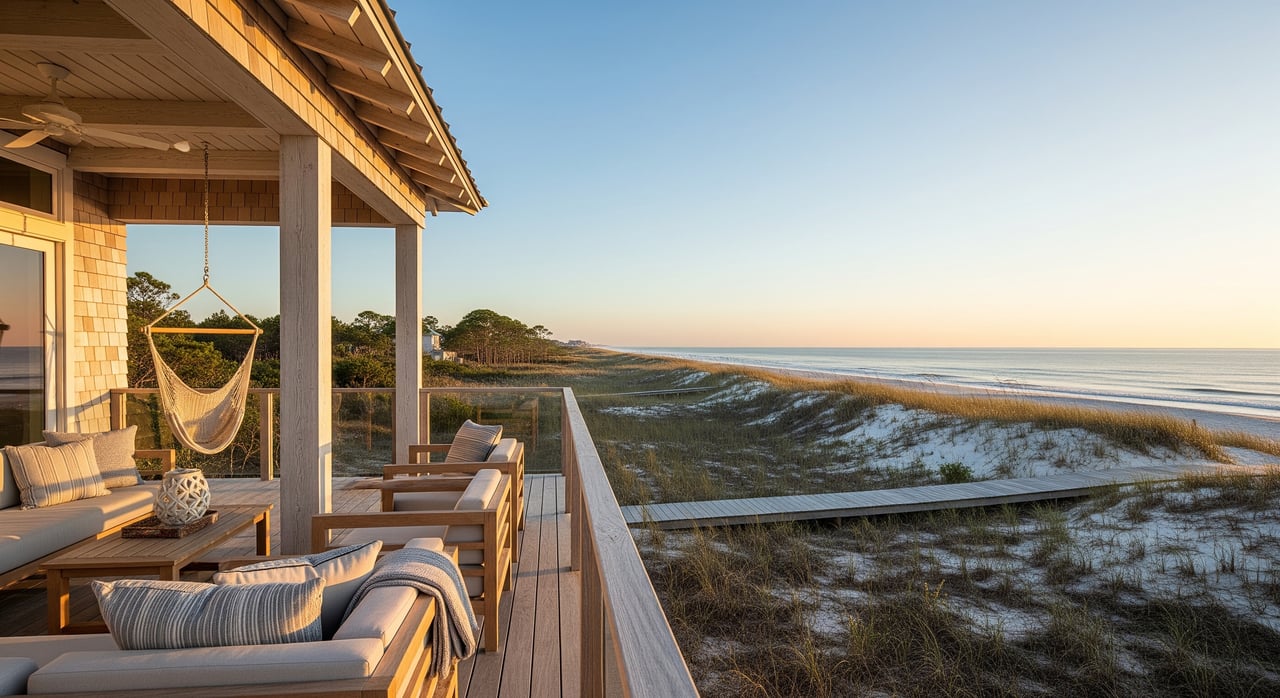
Ever wondered what it feels like to live on a barrier island where your morning walk might be along a quiet shoreline and your errands run through a small village by the bay? If St. George Island has been on your mind, you are not alone. Many buyers are drawn to its relaxed pace, natural beauty, and strong boating and fishing culture, yet want a clear picture of the day-to-day tradeoffs. In this guide, you will learn what daily life looks like, the services you can count on, the risks you should plan for, and smart steps to buy with confidence. Let’s dive in.
The SGI lifestyle at a glance
Quiet, nature-first living
St. George Island is part of Florida’s Forgotten Coast. You will find wide, undeveloped beaches, low-rise homes, and a calm atmosphere built around the water. Beach time, fishing, paddling, and birding are not weekend extras. They are part of daily routines.
A major local treasure is the protected shoreline and dunes at St. George Island State Park, which offers miles of beaches, trails, and camping. If you value simple, outdoor-focused days, the park is a place you will visit often. You can learn more about the park’s facilities and access from the Florida State Parks page for the Dr. Julian G. Bruce St. George Island State Park.
Seasonal rhythm
The island’s population changes with the seasons. Summer and holidays bring visitors and rental guests. Shoulder seasons slow down, which many year-round residents enjoy. You will notice this cycle in restaurant hours, traffic near the bridge, and the overall pace.
Small-town services
Basic groceries, casual dining, and a few shops are on the island. For big-box stores, specialty retailers, and many professional services, you will drive to the mainland. Plan ahead for peak weeks, when popular spots are busier and some items sell out faster.
Getting around and access
There is one primary road and one bridge connecting St. George Island to the mainland. This single access point adds to the island’s self-contained feel. It also means that evacuation planning, delivery schedules, and your own travel timing matter.
For flights, many residents use regional airports in Tallahassee or the Panama City area. Road time depends on route and traffic. During busy tourism windows, give yourself extra time crossing the bridge and through nearby mainland towns.
Essentials: groceries, dining, healthcare, internet
You can buy everyday staples on the island and enjoy locally owned seafood and coastal fare. Many businesses operate seasonally and may reduce hours in the off-season. The dining scene is casual and friendly, with live music appearing during busier months.
Healthcare is more limited. Basic clinics or urgent care options may be on or near the island. Full-service hospitals are off-island in larger towns, so confirm provider locations that fit your needs. If remote work is part of your plan, check property-specific internet options and speeds. Broadband availability can vary by street, and it is worth confirming before you write an offer.
For families, St. George Island falls under the Franklin County school district. If school assignments or bus routes are important, verify current details with the district and review transportation options.
Weather, risk, and resilience
Hurricane season in Florida runs from June 1 through November 30. The National Hurricane Center provides seasonal information on storm activity and preparedness. As a barrier island, St. George Island is exposed to tropical storms, high winds, and storm surge. Many homes are elevated and built to coastal codes to manage these risks.
Flood zones and elevation are key. FEMA’s Flood Map Service Center lets you look up parcel flood designations and consider insurance and building implications. Know your property’s elevation, base flood elevation, and whether it is in an AE or VE zone.
Evacuation planning is part of life here. Franklin County Emergency Management issues guidance and evacuation orders by zone during storm threats. Pay attention to timing since there is a single bridge. Understand your zone, routes, and reentry procedures before season begins.
Environmental stewardship is also part of island living. Dunes, nesting shorebirds, and coastal habitats shape rules about lighting, pets, and beach driving in certain areas. Respecting these rules protects the place you are choosing to call home.
Homes and neighborhoods
Most homes on St. George Island are raised beach cottages or elevated single-family houses designed for coastal conditions. You will see pilings, breakaway ground-level areas, and newer construction that follows updated wind and flood standards. Lots vary from smaller beachside parcels to larger inland sites, with permanent open space created by the state park and conservation areas.
Zoning tends to favor lower density and height limits, which helps preserve views and reduce environmental impacts. If you are comparing options, pay attention to elevation, construction quality, and any wind-mitigation features. These details affect comfort and insurance costs.
A significant share of properties are second homes or short-term vacation rentals. This shapes the island’s rhythm. Some subdivisions have HOAs with rules about exterior finishes, landscaping, docks, or rental operations. If an HOA governs a property, review the covenants, fees, rental policies, and enforcement practices before you move forward.
What it costs to own
Insurance and taxes are major parts of your carrying cost on a coastal barrier island. Flood insurance may be required by your lender, and many insurers require it regardless. Premiums vary based on flood zone, elevation, and the structure’s characteristics. You can learn about flood and homeowners markets through the Florida Office of Insurance Regulation.
Wind coverage can be a separate policy or a rider and may carry higher costs in high-risk coastal counties. Ask for multiple quotes early. Property taxes follow county rules and can differ for primary residences and second homes. Before you buy, review the parcel’s tax history and confirm any exemptions and local fees with county offices.
Utility costs can be higher on islands. Most homes use electricity and some use propane. Sewer service varies and many properties use septic. Always confirm septic permits, capacity, and recent maintenance if applicable.
Buyer checklist for SGI
Use this quick list to focus your due diligence. It can save time and prevent surprises.
- Flood zone and elevation. Get the FEMA flood map designation and, if available, an elevation certificate. Discuss insurance impacts early.
- Insurance quotes. Request current flood, wind, and homeowners quotes before you make an offer.
- Evacuation logistics. Learn your evacuation zone, historic storm impacts, and how the single bridge affects timing.
- Utilities and septic. Verify water source, sewer or septic status, permits, and maintenance records.
- Access and parking. Confirm legal access, driveway details, guest parking limits, and proximity to beach paths.
- Rental rules and taxes. Check county rules for short-term rentals, registration, occupancy limits, and tourist tax obligations.
- HOA and CCRs. If applicable, review fees, special assessments, rental policies, and rules on exteriors, docks, and landscaping.
- Inspections. Prioritize wind-mitigation features, pilings and foundation, roof and waterproofing, and wood-destroying organism reports.
- Internet and services. Confirm broadband speeds, trash service, and any winterization needs if the home will be used seasonally.
Is SGI right for you?
You will likely love St. George Island if you want a slower pace and easy access to nature. Plan to trade big-city convenience for quiet beaches, morning fishing runs, and starry nights. If you enjoy hosting friends and family, the island’s rental-friendly profile can add flexibility when you are not in residence, provided you follow local rules.
If you need 24-hour services, frequent flights, or dense nightlife, you may prefer to keep a mainland base nearby. Many owners enjoy the balance of island living with regular planned trips to larger towns for shopping, medical appointments, and flights.
Start your search with local guidance
Buying on a barrier island is different. Elevation, flood maps, wind-mitigation features, and rental regulations all matter. You deserve a local advisor who understands the lifestyle and the technical details. As a St. George Island native and full-service broker with premium marketing capabilities, Chasity Hill helps you find the right property and navigate insurance, inspections, and rental economics with confidence.
Ready to see what life here feels like in person? Talk with a local expert who knows every curve of the island. Chasity Hill can help you tour homes, evaluate due diligence items, and move forward with clarity.
FAQs
What is daily life like on St. George Island?
- Expect quiet, nature-centered days with beach time, boating, and casual dining, plus seasonal swings that bring busier summers and calmer shoulder seasons.
How risky is hurricane season on a barrier island?
- St. George Island faces tropical storm and surge exposure from June 1 to November 30, so follow guidance from the National Hurricane Center and have an evacuation plan.
Where can I check a home’s flood zone?
- Use the FEMA Flood Map Service Center to look up parcel flood designations and discuss elevation and insurance impacts with your agent and insurer.
Are there full-service hospitals on the island?
- Basic clinics or urgent care may be nearby, but hospitals are off-island, so confirm the providers you plan to use and factor in travel time for appointments.
Can I rent my home short term on SGI?
- Many homes are used as vacation rentals, but you must follow county rules, registration requirements, occupancy limits, and any HOA restrictions.
How reliable is internet for remote work?
- Service varies by street and provider; check available plans and speeds at the specific property before you make an offer.
What costs should I price into ownership?
- Budget for flood and wind coverage, property taxes, utilities, and potential septic maintenance, and request insurance quotes early in your search.