What makes a St. George Island beach home stand out when buyers have options? In a market where homes can sit longer and often sell below asking, presentation can shape how quickly buyers connect with your property and how confidently they write an offer. If you want your home to feel polished, coastal, and ready from the first online click, smart staging can make a real difference. Let’s dive in.
Why staging matters on St. George Island
St. George Island is part of Florida’s Forgotten Coast, a low-density barrier-island market known for Gulf access, bay marshes, and outdoor living. That setting is a major draw, but it also means buyers often compare homes based on lifestyle, condition, and how well each property shows online.
Current market conditions make that especially important. Realtor.com’s March 2026 snapshot showed a median listing price of $1.149M on St. George Island with 219 homes for sale, while Franklin County had 866 homes for sale, an 87-day median days on market, and homes selling for 5.77% below asking on average. Zillow’s March 31, 2026 data also showed a median 83 days to pending in the county.
In a market like that, staging is not just decoration. It is a way to help your home feel memorable, move-in ready, and worth strong consideration.
Start with the online first impression
Most buyers start their search online, and that is especially true for coastal markets that attract second-home buyers and out-of-area shoppers. According to Zillow, 79% of recent buyers shopped online, and nearly half said professional photos were extremely or very important.
NAR’s 2023 Profile of Home Staging found that 81% of buyers’ agents said staging made it easier for buyers to visualize a property as a future home. The same report found that 20% said staging increased the dollar value offered by 1% to 5% compared with similar unstaged homes.
That matters because your listing often has to win buyers twice. First online, then in person.
Focus on the rooms buyers notice most
If you are staging with a budget or timeline in mind, start where buyers tend to pay the most attention. NAR found the most important rooms to stage were the living room, primary bedroom, and kitchen.
For a beach home, those spaces should feel bright, open, and restful. You want buyers to notice the flow of the home, the natural light, and the connection to the coastal setting, not extra furniture or personal items.
Stage the living room for openness
The living room often carries the emotional weight of the home. Keep furniture arranged to show easy conversation, clear walking paths, and sightlines toward windows, decks, or water views.
Remove extra side tables, bulky décor, and anything that makes the room feel crowded. A few simple textures and clean lines usually work better than heavy themed beach décor.
Keep the primary bedroom calm
The primary bedroom should feel like a retreat. Crisp bedding, uncluttered nightstands, and minimal wall décor can make the room feel larger and more relaxing.
If the room has a view or strong natural light, make that the focal point. Buyers should immediately understand how the space lives day to day.
Simplify the kitchen
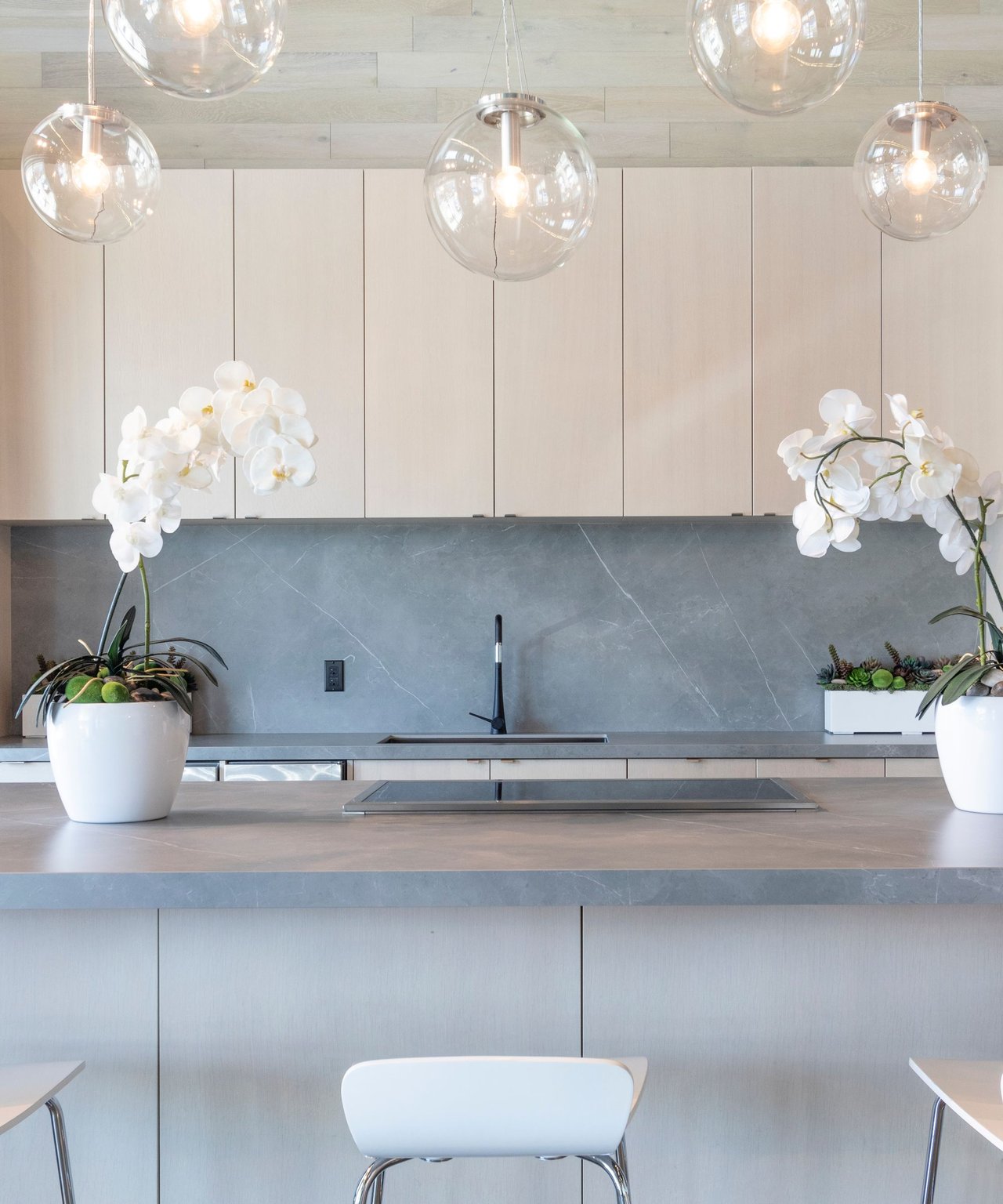
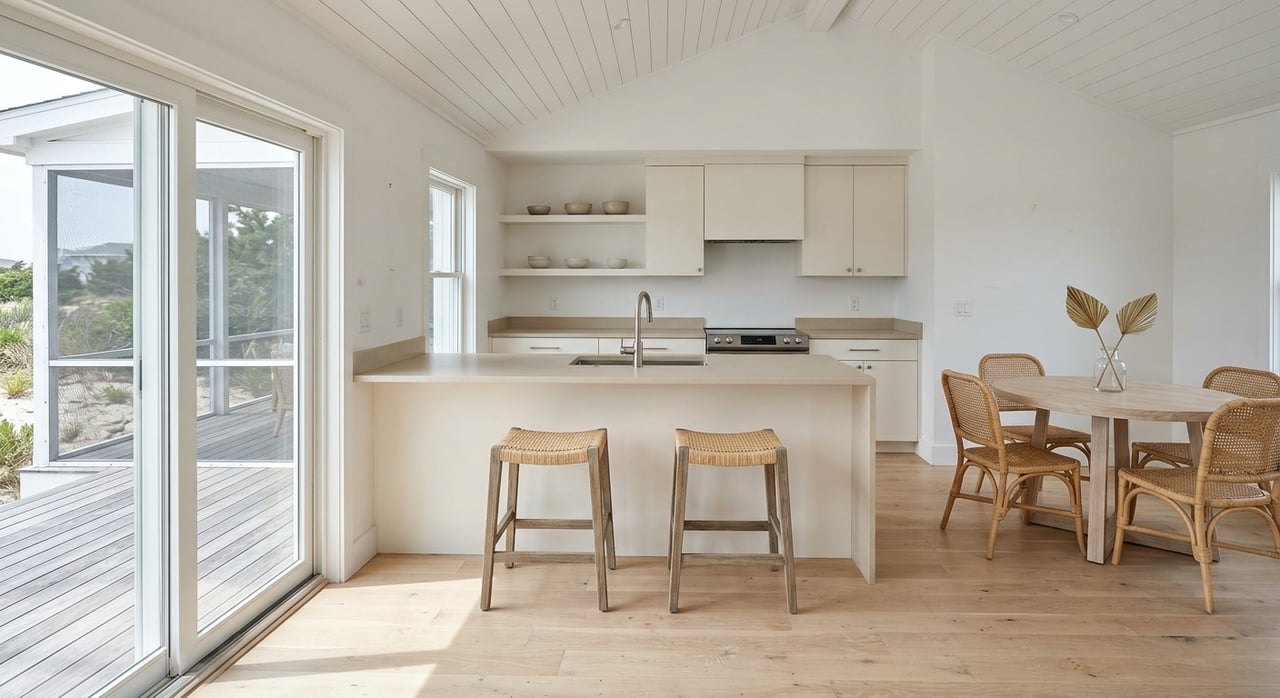
A beach-house kitchen does not need to look elaborate to feel appealing. It needs to look clean, functional, and ready for guests or everyday use.
Clear countertops as much as possible. Put away mail, small appliances, pet items, and anything that distracts from cabinet space, prep space, or natural light.
Don’t overlook bathrooms
Bathrooms matter in listing photography and showings. Zillow recommends thorough cleaning, decluttering surfaces, and removing visual distractions such as cords and fingerprints.
Fresh towels, clean mirrors, and nearly empty counters can go a long way. In a coastal home, that clean and airy look helps reinforce the feeling buyers expect.
Let natural light and views lead
On St. George Island, buyers are often buying the setting as much as the house itself. That means your staging should support the views, not compete with them.
Zillow advises opening blinds, removing window screens when they dim light or make windows look dingy, and highlighting views in listing photography. In practice, that means keeping sightlines to the Gulf, dunes, or marsh as open as possible.
If a chair, table, or oversized lamp blocks a key window, move it. If dark curtains make a room feel flat, simplify the window treatment so the light can do more of the work.
Declutter for buyer visualization
Decluttering is one of the most effective things you can do before listing. NAR found it was the most common staging recommendation from sellers’ agents, followed by whole-home cleaning and removing pets during showings.
In a beach property, clutter often builds up in practical ways. Think extra gear, stacked owner closets, too many patio items, overflow pantry shelves, and vacation-use items that make the home feel busy instead of breezy.
Try to edit each room down to its purpose. Buyers should be able to picture their own life in the home without sorting through yours.
Use a light coastal look, not a theme
A St. George Island home should feel coastal because of its light, setting, and materials. It does not need to be filled with overt nautical décor to communicate that.
A better approach is to use light bedding, simple window treatments, clean counters, and a few natural textures. This helps the home feel fresh and timeless while keeping the attention on the property itself.
The goal is to create a clean visual experience that supports buyer imagination. That is what helps a home read well in photos and feel easy to say yes to in person.
Stage outdoor spaces like real living areas
Outdoor living is part of the product on the Forgotten Coast. Porches, decks, patios, and pool or hot tub areas deserve the same level of attention as your interior spaces.
Zillow specifically highlights patio or deck photos, landscaping, curb appeal shots, aerial views, and video walkthroughs as valuable listing assets. For many buyers, these spaces help answer an important question: what does everyday coastal living actually feel like here?
Refresh decks and porches
Straighten outdoor furniture and remove anything that looks tired, mismatched, or crowded. Even a simple seating setup can help buyers understand how the space functions.
Sweep decking, clean railings, and make sure doors and entry points look bright and cared for. Small details show up quickly in coastal light and photography.
Improve curb appeal
Your exterior photo may be the first image buyers see. Make sure landscaping is neat, parking areas are clean, and the entry feels intentional.
On elevated beach homes, stairs, undercroft spaces, and storage areas should be tidy. Buyers notice whether the whole property feels maintained, not just the main living level.
Address salt-air wear before photos
Coastal homes face conditions that inland homes do not. FEMA notes that salt spray and moisture can accelerate corrosion and decay in building materials, especially near shorelines.
For sellers, the takeaway is simple. If you see rust, oxidized metal, stained soffits, or worn exterior fixtures, handle those items before the photo shoot if possible.
These details can quietly shape how buyers judge upkeep. A clean, well-maintained exterior supports the idea that the home has been cared for.
Prepare for hurricane season showings
If you are listing during hurricane season, presentation and preparedness should work together. NOAA and CDC note that Atlantic hurricane season runs from June 1 through November 30, and loose outdoor items should be secured while window and door protection should be easy to understand.
That does not mean your home has to feel stripped down. It means outdoor furniture, grills, and movable items should look organized, and any shutters or opening protection should be straightforward for buyers to recognize and ask about.
Gather key property documents early
On St. George Island, strong listing preparation goes beyond furniture and décor. It can also include the documents that help buyers feel informed and ready to move forward.
Franklin County notes that A and VE zones are special flood hazard areas, that elevation certificates are required for new construction in those zones, and that structures seaward of the Coastal Construction Control Line require a Florida DEP permit. For many sellers, it is helpful to gather flood-zone verification, elevation certificates if available, and relevant permits before photos and showings begin.
This kind of preparation can support buyer confidence. It also helps your listing feel more complete and better organized from the start.
Pair staging with strong marketing
Good staging works best when it is captured well. NAR found buyers’ agents placed high importance on photos, videos, and virtual tours, while Zillow recommends 22 to 27 photos as an ideal range and notes that listings with fewer than nine photos were about 20% less likely to sell within 60 days.
For a St. George Island home, that often means combining staging with professional photography, exterior images, view-focused photos, and video or virtual tour tools that help out-of-area buyers engage with the property. When your home is prepared correctly and marketed clearly, buyers have fewer reasons to scroll past it.
A practical staging checklist for sellers
If you want to simplify the process, start here:
- Declutter every room
- Deep clean the whole home
- Remove personal items and pet items for photos and showings
- Prioritize the living room, primary bedroom, kitchen, and bathrooms
- Open blinds and maximize natural light
- Clear sightlines to Gulf, dune, or marsh views
- Tidy porches, decks, undercroft areas, and entry stairs
- Repair or replace rusted, stained, or weather-worn exterior items
- Organize outdoor furniture and hurricane-season protection features
- Gather flood-zone documents, permits, and related property paperwork
- Schedule professional photography, drone imagery, and virtual tour media
Selling a beach home on St. George Island takes more than a quick tidy-up. The homes that attract stronger attention often feel clean, bright, coastal, and well prepared both visually and practically. With the right staging plan, you can help buyers see not just a house, but the full value of the lifestyle and setting your property offers.
If you are getting ready to sell and want hands-on guidance for staging, presentation, and polished marketing on the Forgotten Coast, connect with Chasity Hill.
FAQs
What rooms matter most when staging a St. George Island beach home?
- The living room, primary bedroom, and kitchen are the top staging priorities according to NAR, with bathrooms also important for listing photos and buyer impressions.
Why is staging important for a beach home in Franklin County?
- Franklin County market data suggests buyers have options, so staging helps your home stand out, look move-in ready, and make a stronger first impression online and in person.
What should sellers remove before photographing a coastal home?
- Remove clutter, personal items, pet items, excess countertop items, and anything blocking natural light or water and marsh views.
How should outdoor areas be staged for a Forgotten Coast listing?
- Porches, decks, patios, pool areas, and entry spaces should be cleaned, simplified, and arranged to show how buyers can enjoy outdoor living.
What documents should sellers gather for a St. George Island home listing?
- It can help to gather flood-zone verification, elevation certificates if available, and any relevant permits, especially for homes in special flood hazard areas or near the Coastal Construction Control Line.