Are you wondering what it really feels like to own a home on St. George Island all year long, not just during a vacation week? That is an important question if you are buying a primary home, a second home, or a property you plan to share with guests. Life on this barrier island changes with the seasons, and understanding that rhythm can help you choose the right home and prepare for ownership with confidence. Let’s dive in.
Coastal living shapes every season
St. George Island sits in Franklin County along historic Apalachicola Bay, and the setting influences daily life in a very real way. You are not just buying a house here. You are stepping into a coastal environment defined by Gulf beaches, bay marshes, changing weather, and shared habitat with fish, birds, and sea turtles.
Florida State Parks describes the island as a place with 9 miles of beaches, bay-side marshes, and year-round access to outdoor activities like fishing, kayaking, hiking, shelling, wildlife viewing, and stargazing. Nearly 300 bird species have been documented here. That means the island stays active and visually rich long after a typical beach trip would end.
For homeowners, that translates into a lifestyle that feels tied to nature every month of the year. Some seasons are better for long bike rides and paddling, while others are better for quiet walks, star-filled nights, or busy beach days with family and guests.
Spring on St. George Island
Spring often feels like one of the island’s most comfortable times to settle in and enjoy the outdoors. NOAA climate normals for nearby Apalachicola show the average daily mean temperature rising from 61.7°F in March to 74.8°F in May. Rainfall also stays relatively moderate in spring, with April averaging 2.91 inches and May 1.87 inches.
That mix of warmer temperatures and lighter rainfall can make spring feel especially flexible for homeowners. You may find it easier to plan longer beach days, porch time, neighborhood bike rides, or paddling outings without the heavier heat and rain that come later.
Spring outdoor routines
Florida State Parks notes that the island is a major area for spring migration of neotropical birds and raptors. The park also offers paved and stabilized roads, nature trails, hiking routes, and bay access for paddling. If you enjoy a home base that supports active mornings and easy outdoor afternoons, spring lines up well with that pace.
Spring can also be a useful season for buyers who want to experience the island beyond peak holiday traffic. You can get a better sense of how a location feels day to day, from beach access and breezes to marsh views and the general flow of the island.
Summer brings energy and heat
Summer is the island’s hottest and busiest-feeling season. NOAA data shows average daily highs of 88.5°F in June, 89.7°F in July, and 89.4°F in August, with overnight lows in the low to mid-70s. Rainfall also climbs, especially in August, which averages 7.79 inches.
If you own a home here in summer, daily life often centers on the beach and water. Mornings may start earlier, outdoor plans may revolve around heat and afternoon weather, and homes with features like shaded porches, outdoor showers, and easy beach access can feel especially practical.
Summer means sharing the shoreline
Summer is also an important wildlife season. Florida State Parks says sea turtles and shorebirds such as snowy plovers, least terns, willets, and black skimmers nest within the park during the warmer months.
For homeowners, that creates a strong sense of stewardship. Beach etiquette matters more in summer, which includes paying attention to posted signs and keeping the shoreline free of trash. If you host family or guests, this is part of the ownership experience too.
Summer planning matters
Peak holiday periods can add to the sense of demand and activity. Florida State Parks notes that pavilion rentals are not available on Memorial Day weekend, July 4 weekend, or Labor Day weekend, which reflects how active those times can be.
Summer and early fall also overlap with the Atlantic hurricane season, which runs from June 1 through November 30. That does not define island ownership, but it does mean you should expect to stay aware of forecasts, storm preparation, and flexible travel plans during part of the year.
Fall often feels balanced
Fall can be one of the most appealing seasons for homeowners who want comfortable weather and a little more breathing room. NOAA normals show average daily mean temperatures easing from 79.2°F in September to 62.1°F in November. October rainfall averages 3.63 inches, which is lower than the late-summer peak.
That pattern often makes fall feel balanced. The water, beach, and outdoor spaces are still central to life on the island, but the pace may feel a bit more relaxed than midsummer.
Fall fits active coastal living
Florida State Parks also identifies St. George Island as a major area for fall bird migration. Combined with the park’s trails, roads, and paddling access, that gives homeowners a wide range of ways to enjoy the season.
If you picture mornings on a bike, afternoons on the bay, and evenings outside without intense summer heat, fall may be the season that best matches that vision. For many buyers, it is the time of year that shows how livable the island can feel for longer stays.
Winter stays mild and usable
Winter on St. George Island is quieter, but it is far from shut down. NOAA normals for December through February show average daily means from 56.5°F to 56.8°F, with average highs in the mid-60s and lows in the mid-to-upper 40s.
Florida State Parks keeps the park open 365 days a year, so the island continues to offer access to beaches, trails, and open space in every season. Instead of going dormant, winter simply shifts into a slower rhythm.
Winter favors calm and space
For many homeowners, winter is about quiet beach walks, shelling, birding, and enjoying the island with less rush. If you are considering a second home, this season can be a strong reminder that value here is not limited to swimsuit weather.
The island’s low-light setting also stands out in winter. Florida State Parks says the area offers some of the best night-sky viewing in the region, with dark conditions that support views of stars, planets, and the Milky Way. That kind of quiet evening experience is a real part of year-round ownership here.
What seasonal ownership requires
Owning on a barrier island is rewarding, but it also comes with practical responsibilities. The same coastal setting that makes St. George Island special also calls for more intentional planning around moisture, drainage, wind, salt exposure, and storms.
UF/IFAS guidance for seasonal homes recommends weather-sealing windows and doors, running air conditioning periodically when you are away, and keeping the thermostat at no higher than 85°F to help control indoor humidity and reduce mold risk. It also advises checking roofs, gutters, exterior walls, caulking, and ground drainage before leaving a home for an extended period.
Moisture and drainage deserve attention
Florida’s humidity and seasonal rain can speed up mildew, decay, and water intrusion if a home is not well prepared. On St. George Island, that makes routine maintenance more than a checklist item. It is part of protecting your investment.
Franklin County public notices also point to the island’s broader environmental reality. The county has proposed dune restoration along 11 miles of public beaches, including St. George Island, and separate stormwater improvements intended to increase drainage capacity in the commercial district.
For you as a homeowner, that is a reminder that flood awareness, erosion control, drainage planning, and storm readiness are part of coastal ownership in every season. Homes that are well maintained and thoughtfully set up for the environment tend to be easier to enjoy and easier to manage.
Coastal landscaping works differently
Landscaping near saltwater requires a different approach than inland properties. UF/IFAS recommends salt-tolerant plants near the water and notes that properties within about one-eighth of a mile of saltwater should use at least somewhat salt-tolerant plantings.
The same guidance points to wind screens, native coastal plants, and careful placement as smart ways to make a property more durable and lower maintenance. If you are buying or selling, those details can shape both curb appeal and long-term upkeep.
What this means for buyers and sellers
If you are buying on St. George Island, the seasonal pattern can help you narrow your priorities. You may want to think about how often you will use the home in summer versus winter, whether you value quiet marsh-side views or easy Gulf access, and how much maintenance planning you want to take on.
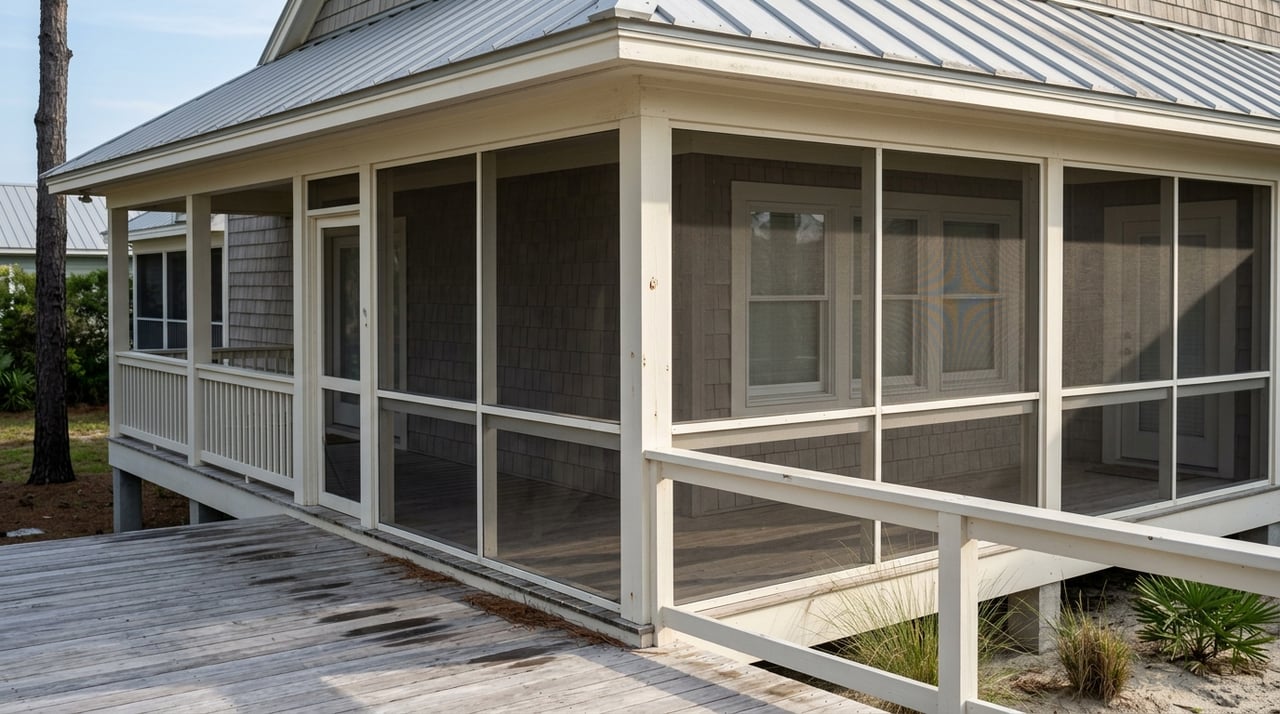
If you are selling, understanding year-round ownership helps you position the property more effectively. Features like outdoor storage, covered parking, durable landscaping, screened spaces, storm-conscious upkeep, and strong indoor-outdoor flow can all speak to how the home lives across the full calendar, not just one season.
That is where local guidance matters. A property on St. George Island is never just about square footage. It is also about setting, exposure, usability, and how well the home supports the kind of ownership experience a buyer wants.
If you are thinking about buying, selling, or preparing a property on the island, Chasity Hill can help you evaluate what works in every season and what will matter most for your goals.
FAQs
What is summer like for homeowners on St. George Island?
- Summer is typically hot, wetter, and more beach-centered, with average highs near 89°F and added attention needed for wildlife nesting, holiday demand, and hurricane-season planning.
What is winter like for living on St. George Island?
- Winter is generally mild, with average highs in the mid-60s, and many homeowners enjoy quieter beach walks, birding, shelling, and dark-sky stargazing.
What seasons feel most balanced on St. George Island?
- Based on NOAA climate patterns, spring and fall often feel the most balanced because of moderate temperatures, lighter rainfall than late summer, and strong access to outdoor activities.
What maintenance matters for a St. George Island home?
- Key priorities include controlling indoor humidity, weather-sealing windows and doors, checking roofs and gutters, reviewing drainage, and planning for salt, wind, and seasonal rain exposure.
What should buyers consider about year-round ownership on St. George Island?
- You should think about seasonal weather, beach and bay access, wildlife considerations, maintenance needs, storm readiness, and how the home fits the way you plan to use it throughout the year.