If you are looking at small commercial property in Port St. Joe, the opportunity is less about sheer population and more about fit. This is a small coastal market with a visitor-driven economy, which means the best properties often serve both residents and people passing through for work, boating, dining, and beach time. In this guide, you will get a practical look at where small commercial opportunities tend to cluster, what property types may make sense, and what to verify before you buy. Let’s dive in.
Why Port St. Joe Stands Out
Port St. Joe is a compact market, with Florida’s April 1, 2024 estimate showing 3,912 residents in the city and 16,947 in Gulf County. State data also lists the city’s median household income at $60,347 based on ACS 2018 to 2023 data, according to Florida’s population and demographics report.
That small resident base matters when you evaluate commercial property. In a market this size, large-format retail usually has less room to thrive than compact, visible, service-oriented uses that can capture local traffic and visitor spending.
Tourism adds another layer of demand. Gulf County’s tourism office reports that visitor spending exceeded $249 million in 2023, supporting more than 3,300 jobs and more than $77 million in wages and salaries, as noted by Gulf County tourism. For many buyers, that makes Port St. Joe more attractive for smaller businesses tied to hospitality, marine activity, food, services, and everyday convenience.
Best Areas to Watch
Downtown Port St. Joe
City redevelopment documents identify the area south of 1st Street and west of US 98 as downtown Port St. Joe. The same plan describes this core as a place characterized by small retail and restaurants, with a street grid that supports walkability, according to the Port St. Joe redevelopment plan.
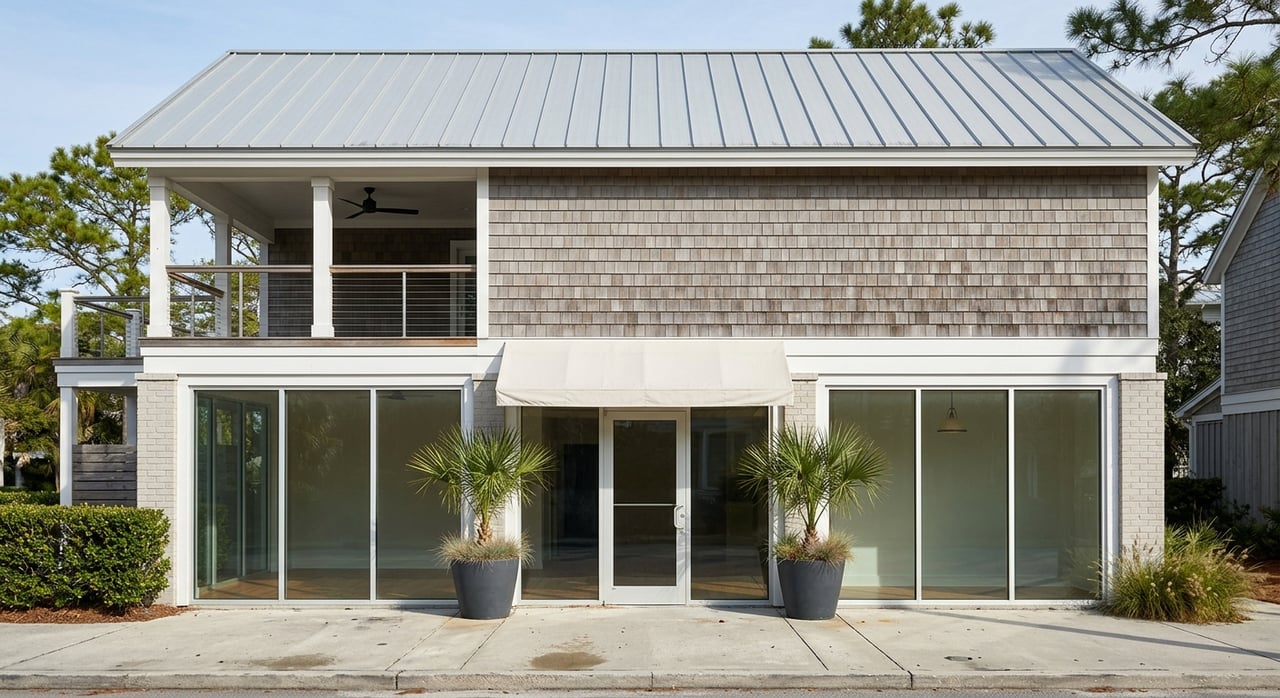
If you are searching for a compact storefront, restaurant space, or a service-oriented business location, downtown deserves close attention. In a walkable setting, storefront visibility, pedestrian orientation, and ease of access can matter just as much as raw square footage.
US 98 Corridor
US 98 is identified by the city as the major north-south corridor and a primary hurricane evacuation route in the same redevelopment document. For commercial buyers, that usually points to one key advantage: exposure.
Properties along or near US 98 may appeal to businesses that rely on drive-by traffic, convenient access, and strong visibility. If your goal is to serve both locals and travelers, this corridor can be one of the first places to evaluate.
Martin Luther King Boulevard and North Port St. Joe
The city’s North Port St. Joe master plan highlights Martin Luther King Boulevard, US 98, Avenue A, the railway corridor, and vacant or underused parcels as opportunity areas. It also states that an infill mixed-use project with specialty retail, housing, and open space could help catalyze the corridor, based on the North Port St. Joe master plan.
That makes this area especially relevant if you are thinking beyond a simple standalone building. Buyers interested in mixed-use, redevelopment, or infill potential may find these corridors worth a deeper look.
Marina-Adjacent Property
Marina-adjacent locations can also be compelling in Port St. Joe. Point South Marina on Marina Drive is described by Gulf County tourism as a full-service marina and a hub for boaters exploring St. Joseph Bay, the Intracoastal Waterway, and the Gulf of Mexico.
For certain small commercial uses, that kind of marine traffic can shape demand. Businesses connected to boating, convenience retail, food, personal services, or trip support may benefit from proximity to waterfront activity.
Property Types That May Fit
In Port St. Joe, small commercial opportunities often work best when the use matches the scale of the market. Based on local zoning categories and the city’s development framework, several property types may deserve consideration.
Small Retail and Service Space
In commercial districts, especially C-1, permitted uses include trade-service businesses, repair shops, bakeries, vocational schools, commercial amusements, restaurants, and auto sales rooms, according to the city’s land development regulations and zoning references and code materials.
For buyers, that can translate into opportunity for:
- Boutique retail spaces
- Restaurant or café locations
- Service businesses
- Office-like commercial uses
- Specialty local-serving businesses
The biggest advantage is flexibility at a smaller scale. Many users do not need a large footprint if the location has the right traffic, access, and visibility.
Mixed-Use Buildings
If you want income diversification, mixed-use may be especially interesting. The city’s mixed-use district is designed to combine residential and commercial uses, and the code explicitly contemplates mixed residential and nonresidential development, including the potential for apartments above retail in the right setting through the city’s land development code.
That format can work well in infill areas where land is limited and walkability matters. It may also create more than one revenue stream from a single site, depending on the property and the allowable use.
C-2 Space for Broader Uses
C-2 zoning is broader than C-1. The city notes that C-2 can allow general retail, wholesale or service uses, light manufacturing, storage yards, mechanical garages, and similar uses in the city zoning code materials.
If your business model needs more operational flexibility, this category may offer a better fit. The key is to verify the exact zoning district, permitted uses, and any site-specific constraints before moving forward.
What to Check Before You Buy
A small commercial property can look promising on paper and still create problems if the basics do not line up. In Port St. Joe, your first due diligence steps should stay focused and practical.
1. Confirm zoning early
Before opening a business, the city requires a business license, and code enforcement reviews whether the proposed location and activity comply with land-use regulations. The city also advises applicants to verify the zoning district before moving ahead, as explained on the City of Port St. Joe business license page.
Start with these questions:
- What is the current zoning district?
- Is your intended use permitted there?
- Will you need additional approvals or site improvements?
- Does the property support your signage, parking, and access needs?
This one step can save you time, money, and a major redesign later.
2. Review flood and storm exposure
Flood and storm risk are central issues for coastal commercial property. The city’s code applies floodplain provisions to special flood-hazard areas, and Gulf County provides mapping tools for flood zones, evacuation zones, evacuation routes, and parcels through county resources referenced in the city code and county flood guidance.
This is not a box to check at the end. Early review of flood exposure can affect insurance, renovation costs, financing, buildout plans, and even how usable the site is for your intended operation.
3. Verify utilities and building requirements
Gulf County’s building department states that the county has adopted the Florida Building Code 2023, eighth edition. The city utilities department provides water, wastewater, and garbage service for businesses within city limits, based on information from the Gulf County Building Department.
Before you commit, confirm:
- Utility availability
- Utility capacity for your intended use
- Connection costs
- Building code requirements
- Any site-specific permitting needs
These details can shape your total project budget more than many buyers expect.
4. Evaluate the physical layout
Even in a small market, the right site features can make a major difference. The most useful factors often include frontage, visibility, parking, flexible floor plans, and signage potential.
In the downtown core, storefront orientation and walkability may matter more. Along major corridors, ease of vehicle access and roadside visibility may carry more weight. The best property is usually the one that aligns with how your customer will actually find and use the business.
Why Smaller Can Be Smarter Here
Port St. Joe is not a market where you need oversized square footage to create value. In many cases, a smaller, well-located property can be more practical because it is easier to lease, easier to adapt, and better matched to the city’s scale.
That is especially true in a market shaped by tourism, marina activity, local services, and corridor traffic. Compact buildings in visible locations may offer a better risk-reward balance than larger properties that depend on constant high-volume demand.
How to Approach an Opportunity
If you are exploring commercial property in Port St. Joe, a disciplined search usually works best.
Here is a smart starting framework:
- Choose your use first. Know whether you need downtown walkability, highway visibility, marine proximity, or mixed-use potential.
- Match the use to the corridor. Downtown, US 98, Martin Luther King Boulevard, and marina-adjacent areas each serve different business models.
- Check zoning before pricing the deal. A lower price does not help if the use is not allowed.
- Review flood, evacuation, and site conditions early. Coastal due diligence should happen upfront.
- Confirm utility and buildout feasibility. This helps you estimate true acquisition and improvement costs.
With the right strategy, small commercial property in Port St. Joe can offer real opportunity for owner-users, investors, and mixed-use buyers who understand the market’s scale and demand drivers.
If you want local guidance on commercial parcels, development sites, or small business-friendly opportunities along the Forgotten Coast, Chasity Hill can help you evaluate property fit, location, and next steps with a practical, local perspective.
FAQs
What small commercial property types make sense in Port St. Joe?
- In Port St. Joe, smaller retail, restaurant, service, office-like, and mixed-use properties often make the most sense because the market is compact and tourism plays a major role in demand.
What areas in Port St. Joe are best for small commercial opportunities?
- Downtown Port St. Joe, the US 98 corridor, Martin Luther King Boulevard, North Port St. Joe opportunity areas, and marina-adjacent sites are key places to watch based on city planning documents.
What zoning should you check for a Port St. Joe commercial property?
- You should verify whether the property is in a district such as C-1, C-2, or mixed-use, then confirm that your intended business use is allowed before you move forward.
Can a mixed-use building in Port St. Joe include apartments above retail?
- Yes. The city’s mixed-use district is designed to combine residential and commercial uses, and the land development code contemplates mixed residential and nonresidential development.
What should you verify first before buying commercial property in Port St. Joe?
- Start by confirming zoning, flood zone status, business license requirements, utility availability, and any building or site-specific permitting issues.
Why is tourism important when evaluating Port St. Joe commercial property?
- Tourism is a major local demand driver in Gulf County, with more than $249 million in visitor spending reported in 2023, which can support small businesses tied to hospitality, food, boating, and convenience services.